Environment
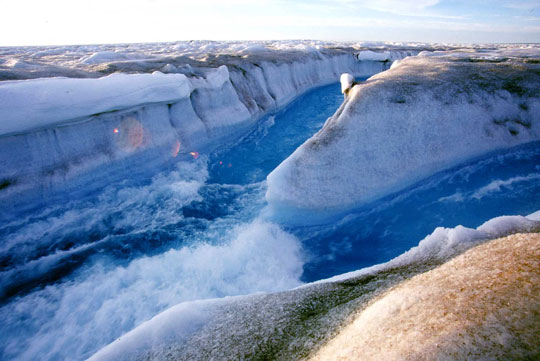
Climate change increases the risk of cancer
A study by the United Nations Environment Program (UNEP) shows that, when the earth warms, melting ice in two poles releases a large amount ...
Browse ScienceInfo articles and explainers related to The Earth.
767 published items.
A study by the United Nations Environment Program (UNEP) shows that, when the earth warms, melting ice in two poles releases a large amount ...
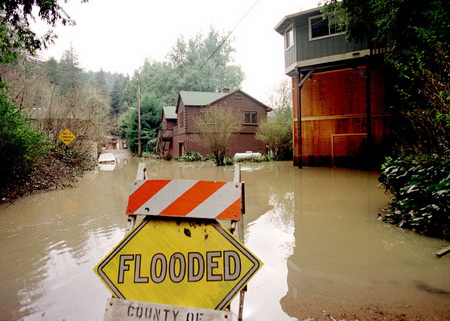
According to the Ministry of Natural Resources and Environment, due to the impact of El Nino, this year Vietnam will have a relatively warm winter, accompanied by a drou…
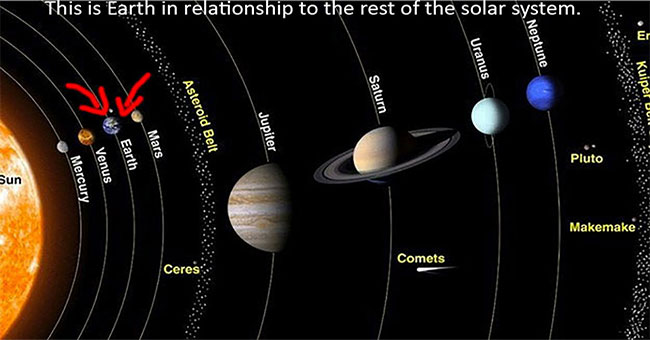
The following photos will make you rethink your existence, is this kind of person the only creature in the universe?
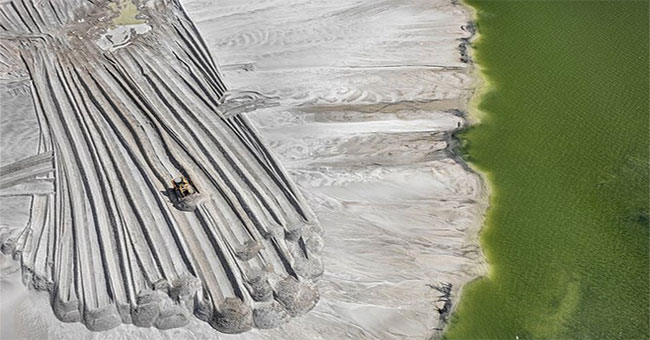
Extensive photographs of industrialization, urbanization and deforestation by Edward Burtynsky show how humans are destroying the Earth.
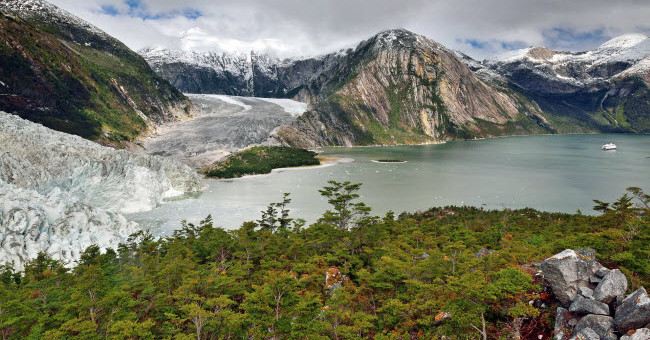
Patagonia is located between Argentina and Chile in the southernmost of South America. This place is considered to be the end of the Earth.
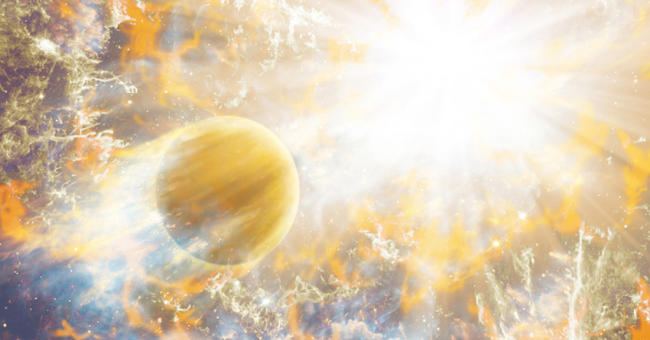
The sun must also follow the law of nature, cannot exist forever. But before that happens, how does the Sun change?
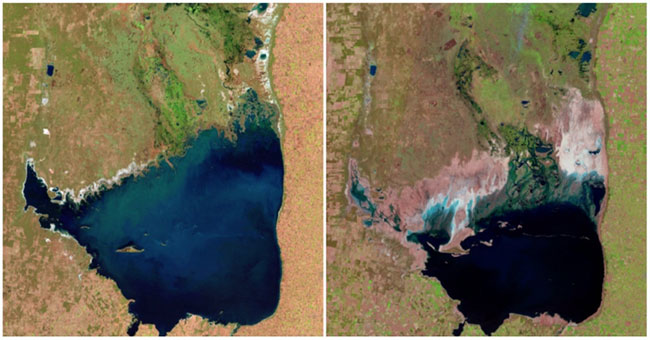
NASA's satellite technology allowed them to store documentary images of the universe and the Earth from decades ago.
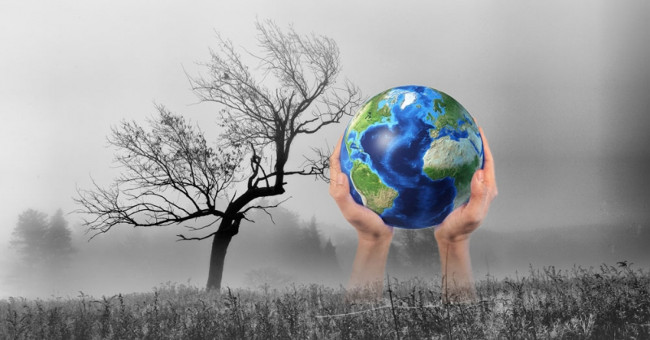
The photos partly show the frightening influence of climate change on life on Earth.
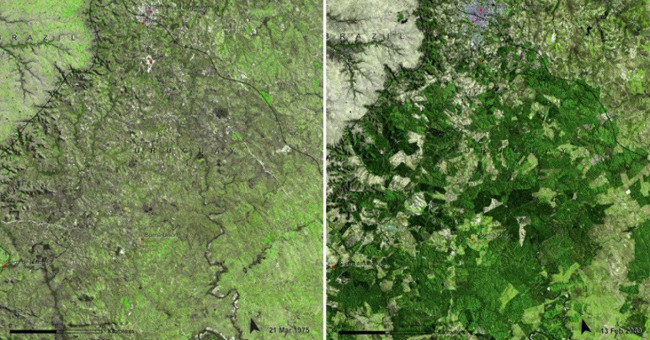
The difference in time taken from tens of years, even hundreds of years, many places in the world has been amazingly transformed.
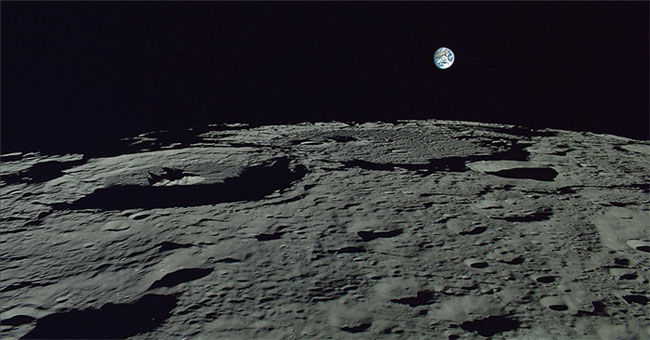
Japan's Kaguya spacecraft captures clear images of the Earth rising and diving when viewed from the Moon.
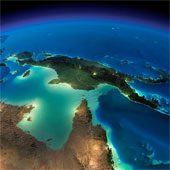
Watch the night-round images of NASA satellite recorded. This is also the first opportunity to admire the shimmering looks throughout the most genuine planet.
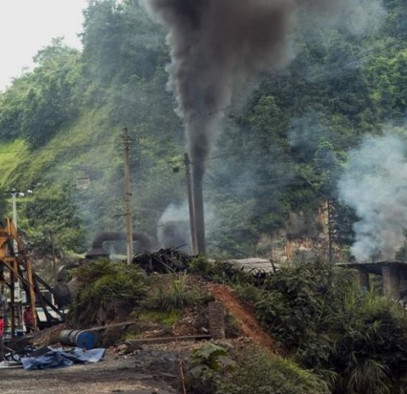
Do you remember the times when you littered, not at the right place? Maybe you don't remember, but our earth mother does.
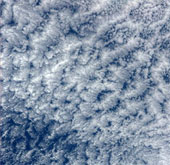
The clouds are shaped like snow, when the waves are white on the ocean ... incredible images are only seen from the International Space Station (ISS).

On the night of 10/8, the Moon is closer to Earth than about 50,000km when it is at the farthest point from the Earth.
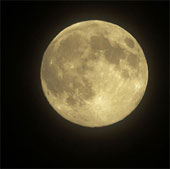
Astronomers all over the world admire the big and bright moon than usual, the so-called super moon phenomenon, on August 9 and 10.